


When it comes to strength training, Olympic bars are an essential piece of equipment. They are designed to withstand heavy weights and provide a stable platform for various exercises. Among the different types of Olympic bars, multi - grip and single - grip bars stand out, each with its own unique features and benefits. As an Olympic Bars supplier, I am well - versed in the differences between these two types of bars, and I'm here to share that knowledge with you.
Design and Structure
The most obvious difference between a multi - grip and a single - grip Olympic bar lies in their design. A single - grip Olympic bar has a uniform diameter and a smooth, straight surface along its entire length, except for the rotating sleeves at the ends where the weights are loaded. This simplicity in design makes it ideal for classic barbell exercises such as squats, deadlifts, and bench presses. The consistent grip allows for a straightforward and traditional lifting experience, where the focus is on the overall movement and the amount of weight being lifted.
On the other hand, a multi - grip Olympic bar features multiple grip positions. These can include different diameters, angled sections, or raised ridges at various points along the bar. The additional grip options are strategically placed to target different muscle groups more effectively. For example, some multi - grip bars have wider grips for exercises that engage the shoulders and lats, while narrower grips can be used to isolate the triceps or biceps.
Muscle Engagement
Single - grip bars are excellent for compound exercises that work multiple muscle groups simultaneously. When performing a squat with a single - grip bar, your quadriceps, hamstrings, glutes, and lower back all work together to lift the weight. This type of full - body engagement is great for building overall strength and power. The single, uniform grip also allows for a more natural and fluid movement, which can be beneficial for beginners who are still learning proper form.
Multi - grip bars, however, offer more targeted muscle engagement. The different grip positions enable you to isolate specific muscles during an exercise. For instance, using the narrow grip on a multi - grip bar for a bench press will place more emphasis on the triceps, while a wider grip will shift the focus to the chest and shoulders. This targeted approach can be particularly useful for athletes or advanced lifters who are looking to develop specific muscle groups or correct muscle imbalances.
Versatility
In terms of versatility, multi - grip bars have a clear advantage. Their multiple grip positions allow for a wider variety of exercises to be performed on a single bar. You can use a multi - grip bar for everything from standard barbell exercises to more specialized movements. For example, the angled sections on some multi - grip bars make them suitable for preacher curls or incline dumbbell - style presses.
Single - grip bars, while less versatile in terms of the number of exercises they can perform, are still incredibly useful. They are the go - to choice for many of the most fundamental and effective strength - training exercises. If your primary goal is to build basic strength and perform classic barbell movements, a single - grip bar is all you need.
Comfort and Ergonomics
Comfort is an important factor when choosing an Olympic bar, especially if you plan to use it for extended periods. Single - grip bars are generally more comfortable for long - duration exercises because the uniform grip allows your hands to settle into a consistent position. There is less risk of your hands slipping or getting fatigued due to an uneven grip.
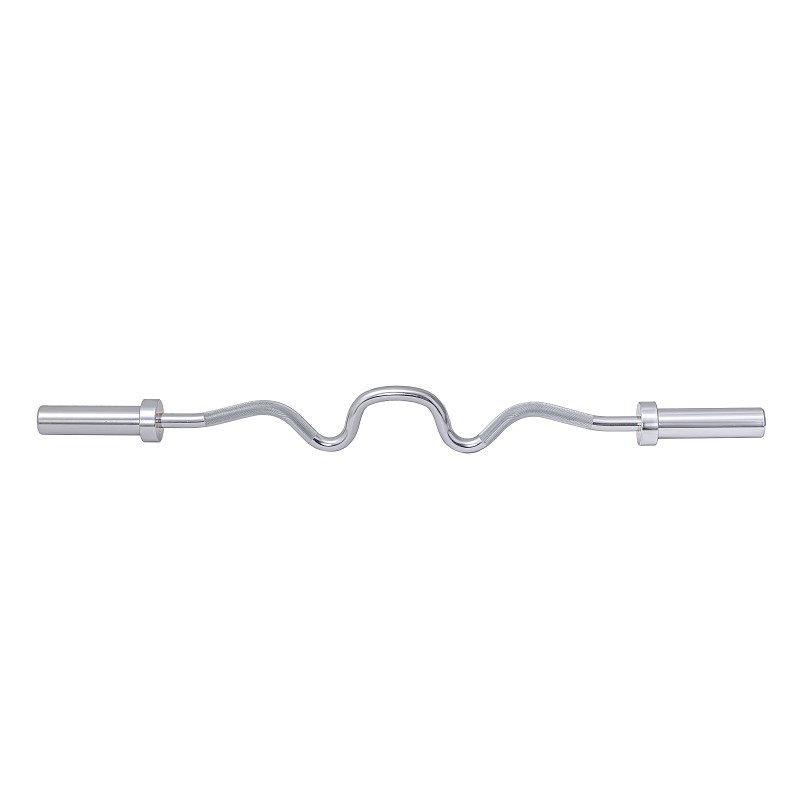

Multi - grip bars, while they offer more exercise options, can sometimes be less comfortable for extended use. The different grip diameters and textures may require your hands to adjust constantly, which can lead to discomfort or even blisters if you're not used to them. However, for shorter, more targeted workouts, the benefits of the multi - grip design often outweigh the potential discomfort.
Cost
Cost is another consideration when deciding between a multi - grip and a single - grip Olympic bar. Single - grip bars are typically less expensive. Their simpler design means that they require less material and manufacturing time, resulting in a lower price point. This makes them a great option for budget - conscious gym owners or individuals who are just starting out in strength training.
Multi - grip bars, on the other hand, are usually more expensive. The additional design features and the complexity of manufacturing multiple grip positions increase the cost of production. However, if you're an advanced lifter or a professional athlete who needs the versatility and targeted muscle engagement that a multi - grip bar offers, the higher cost may be worth it.
Applications in Different Training Settings
In commercial gyms, both multi - grip and single - grip Olympic bars have their place. Single - grip bars are a staple for powerlifting and general strength - training areas. They are used by a wide range of gym members, from beginners to experienced lifters, for classic exercises like squats, bench presses, and deadlifts.
Multi - grip bars are often found in the functional training or bodybuilding sections of the gym. They are popular among athletes who are looking to fine - tune their muscle development and perform more specialized exercises. For example, a bodybuilder might use a multi - grip bar to target specific areas of the chest or arms during a workout.
In home gyms, the choice between a multi - grip and a single - grip bar depends on the user's goals and available space. If you have limited space and want to focus on basic strength training, a single - grip bar may be the better option. However, if you have more room and are interested in a wider variety of exercises, a multi - grip bar can provide more value.
Complementary Equipment
When using Olympic bars, it's important to consider the complementary equipment. For both multi - grip and single - grip bars, you'll need weight plates to load the bar. You can find a variety of weight plates, including Cast Iron Kettlebell and Neoprene Hex Dumbbells. Additionally, if you're looking for a more specialized bar for specific exercises, you might also consider the Olympic Super Curl Bar.
Making the Right Choice
Ultimately, the choice between a multi - grip and a single - grip Olympic bar depends on your individual needs and goals. If you're a beginner or someone who wants to focus on basic strength training and compound exercises, a single - grip bar is a great choice. It's affordable, easy to use, and suitable for a wide range of classic barbell movements.
If you're an advanced lifter, a professional athlete, or someone who wants to target specific muscle groups and perform a wider variety of exercises, a multi - grip bar may be more suitable. It offers greater versatility and the ability to customize your workouts to meet your specific training needs.
As an Olympic Bars supplier, I can provide you with high - quality multi - grip and single - grip Olympic bars that are built to last. Whether you're setting up a commercial gym or a home workout space, I have the expertise to help you make the right choice. If you're interested in purchasing Olympic bars or have any questions about our products, please don't hesitate to reach out. We're here to assist you in finding the perfect equipment for your strength - training journey.
References
- Fitness Equipment Guidebooks
- Strength Training Journals
- Interviews with Professional Athletes and Fitness Trainers