


Barbells are a fundamental piece of fitness equipment, and they do indeed come in different weights.
I. Standard barbell weight configuration
- In most gyms, the common Olympic barbell itself weighs about 20 kg. The weight of the accompanying barbell plates has a variety of standard specifications. For example, the smallest ones are 0.25 kg and 0.5 kg. These small weight barbell plates are usually used for fine weight adjustments, such as when performing strength training advancement or regression.
- Then there are 1.25 kg, 2.5 kg, 5 kg, 10 kg and 25 kg barbell plates. This diverse weight configuration allows users to freely combine according to their own strength level, training goals and training stages. For example, for beginners, they may start with an empty bar (20 kg) plus a smaller weight barbell plate, such as adding 5 kg on each side, a total of 30 kg weight for squat training, and gradually increase the weight of the barbell plate as the strength grows.
2. Non-standard barbell weights
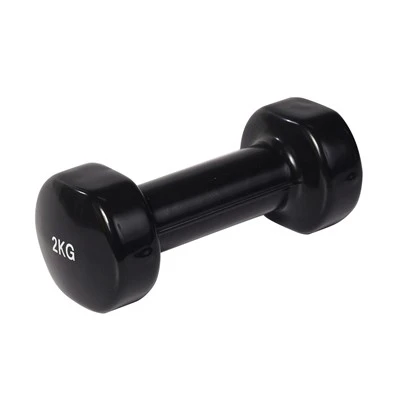
- In addition to the Olympic standard barbell weight system, there are some non-standard home or light fitness barbells. These barbells may be lighter, and the weight adjustment range may not be as fine as that of standard barbells. For example, some home rubber barbells may have an overall weight of about 5-15 kg, which is suitable for simple strength training in a home environment or for women, teenagers and other people with relatively small strength. Their weight is fixed and cannot be adjusted by adding or removing barbell plates like standard barbells, but their lighter weight also makes it convenient for people to carry out some basic fitness activities in a limited space.
3. Applicable scenarios for barbells of different weights
- Low-weight barbells (less than 20 kg): Very suitable for fitness novices or people undergoing rehabilitation training. For example, for people who have just started strength training, low-weight barbells can help them familiarize themselves with movement patterns, master correct training techniques, and avoid injuries caused by excessive weight. In rehabilitation training, low-weight barbells can be used to gradually restore muscle strength. For example, in the rehabilitation stage after a shoulder injury, use a lighter barbell to perform some simple shoulder press movements, starting with the smallest weight and gradually increasing as the recovery progresses.
- Medium-weight barbells (20-50 kg): Suitable for fitness enthusiasts with a certain training foundation. They have mastered the basic training movements, and after a period of exercise, their strength has been improved to a certain extent. This weight range can effectively stimulate muscle growth and improve muscle strength. For example, when doing bench press training, using a weight of 30-40 kg can give enough stimulation to the chest, shoulders and triceps, promoting muscle hypertrophy and strength enhancement.
- High-weight barbells (more than 50 kg): Usually used by professional athletes or powerlifting enthusiasts. These people have adapted to high-intensity loads after long-term professional training. In powerlifting competitions, athletes often have to challenge high-weight barbells that exceed their own limits to show their strong strength. For example, in the deadlift project, excellent athletes may pull up a barbell weight of more than 200 kg.
In short, the different weights of barbells meet the needs of different people at different fitness stages and for different training purposes. Whether you want to increase strength, shape muscles or perform rehabilitation training, you can find a barbell of suitable weight.