


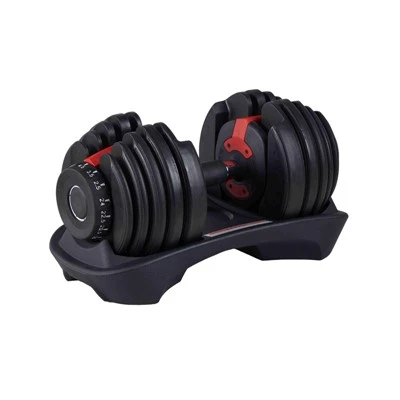
When choosing barbell plate weights, you need to pay attention to the following aspects to ensure the safety and effectiveness of training.
1. Consider your physical condition
When choosing barbell plate weights, you should first consider your physical condition, including physical health, muscle strength, and flexibility. For beginners or people in poor physical condition, you should choose a lighter barbell plate weight to avoid injury. For people with a certain training foundation, you can choose a barbell plate weight that suits you according to your physical condition and training goals.
2. Consider training goals
When choosing barbell plate weights, you also need to consider your training goals. If you want to increase muscle strength and volume, you can choose a heavier barbell plate weight; if you want to improve muscle endurance and cardiopulmonary function, you can choose a lighter barbell plate weight. In addition, different training movements also require different barbell plate weights. For example, compound movements such as squats and deadlifts require heavier barbell plate weights, while isolated movements such as dumbbell flyes and lateral raises require lighter barbell plate weights.
3. Consider the training plan
When choosing the weight of the barbell plate, you also need to consider the training plan. Different training plans have different training intensities and training volumes, so you need to choose the right barbell plate weight. For example, high-intensity interval training (HIIT) requires heavier barbell plate weights, while low-intensity continuous training (LISS) requires lighter barbell plate weights. In addition, different stages in the training plan also require different barbell plate weights, such as heavier barbell plate weights in the strength growth stage and lighter barbell plate weights in the muscle recovery stage.
4. Consider the quality and safety of the equipment
When choosing the weight of the barbell plate, you also need to consider the quality and safety of the equipment. High-quality barbell plates should have good stability and durability to ensure the safety of training. In addition, the color and logo of the barbell plate should also be clearly visible to facilitate quick identification and weight replacement. When choosing barbell plates, you should choose reputable brands and merchants to ensure the quality and safety of the product.
In summary, when choosing the weight of the barbell plate, you need to comprehensively consider factors such as your personal physical condition, training goals, training plan, and the quality and safety of the equipment. Only by choosing the barbell weight that suits you can you ensure the effectiveness and safety of training.